Rules and ethics
Part of How to check eligibility for small business energy efficiency grants
How to check eligibility for small business energy efficiency grants
How to check eligibility for small business energy efficiency grants in England, from applicant rules and funded measures to consent, prior funding and claims.
What to take away
- Energy efficiency grants for small businesses come from national schemes, local authority funds and devolved programmes, each with its own rulebook.
- Eligibility turns on five checks: applicant, measure, building, prior funding, then the claim process.
- An approved installer and a quote dated before you apply are conditions of most schemes, not optional extras.
- Council and Growth Hub pages list funds that never reach national directories.
- Keep a dated evidence file covering tenancy, quotes, metered use and any earlier public funding.
Where the funding actually sits
There is no single UK energy efficiency grant for small businesses. Support is split between national schemes, funds run by councils, and programmes run by the devolved administrations. Scotland, Wales and Northern Ireland each run their own energy programmes, so a headline written for England may not match your premises.
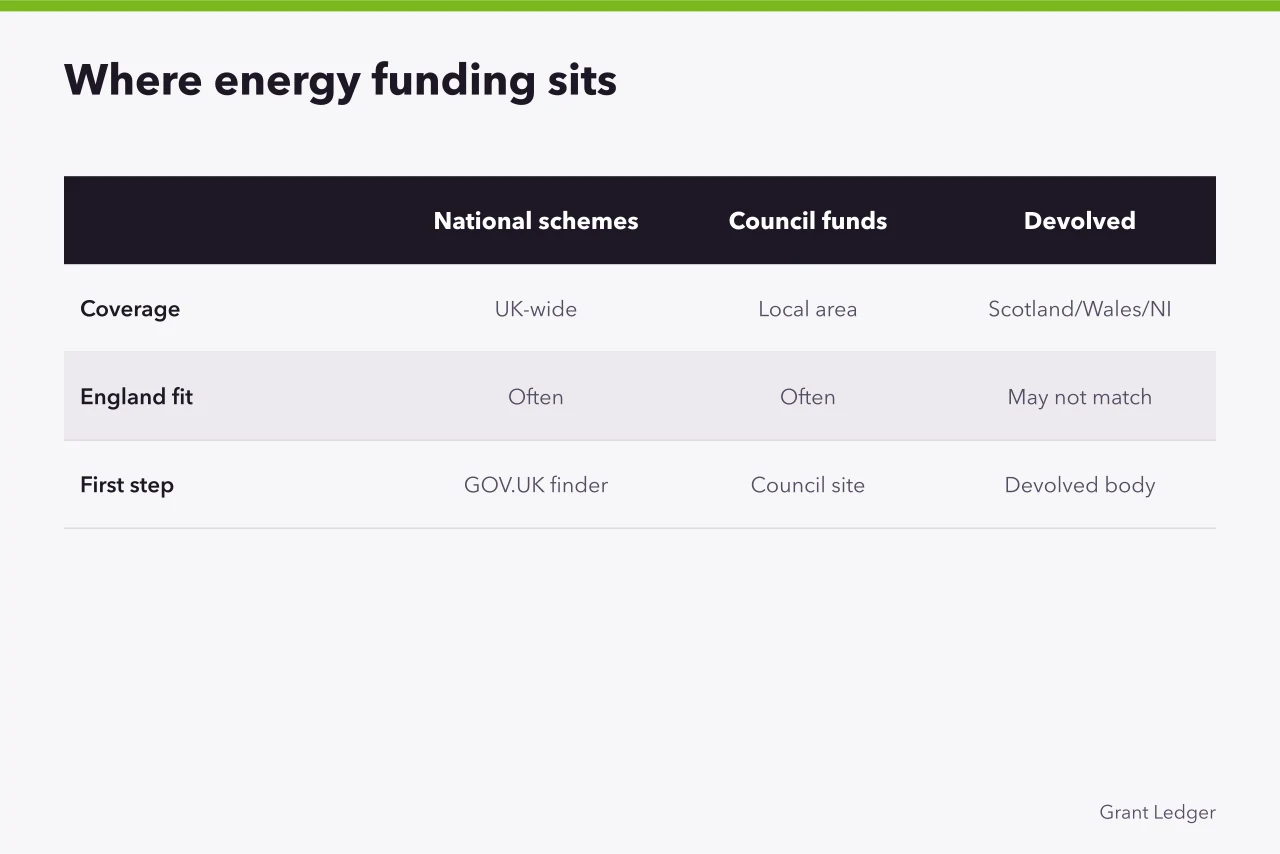
Start with the official finder rather than a directory. The GOV.UK finance and support tool filters by sector and location, which is faster than reading a long list of scheme names. Finance and support for your business
Read the scheme document before the marketing page. It sets out who can apply, what counts as an eligible cost, and what evidence proves the work happened. Those three questions belong in a grant rules and compliance file, which is the document you reach for if the funder asks later.
Step 1: confirm you are an eligible applicant
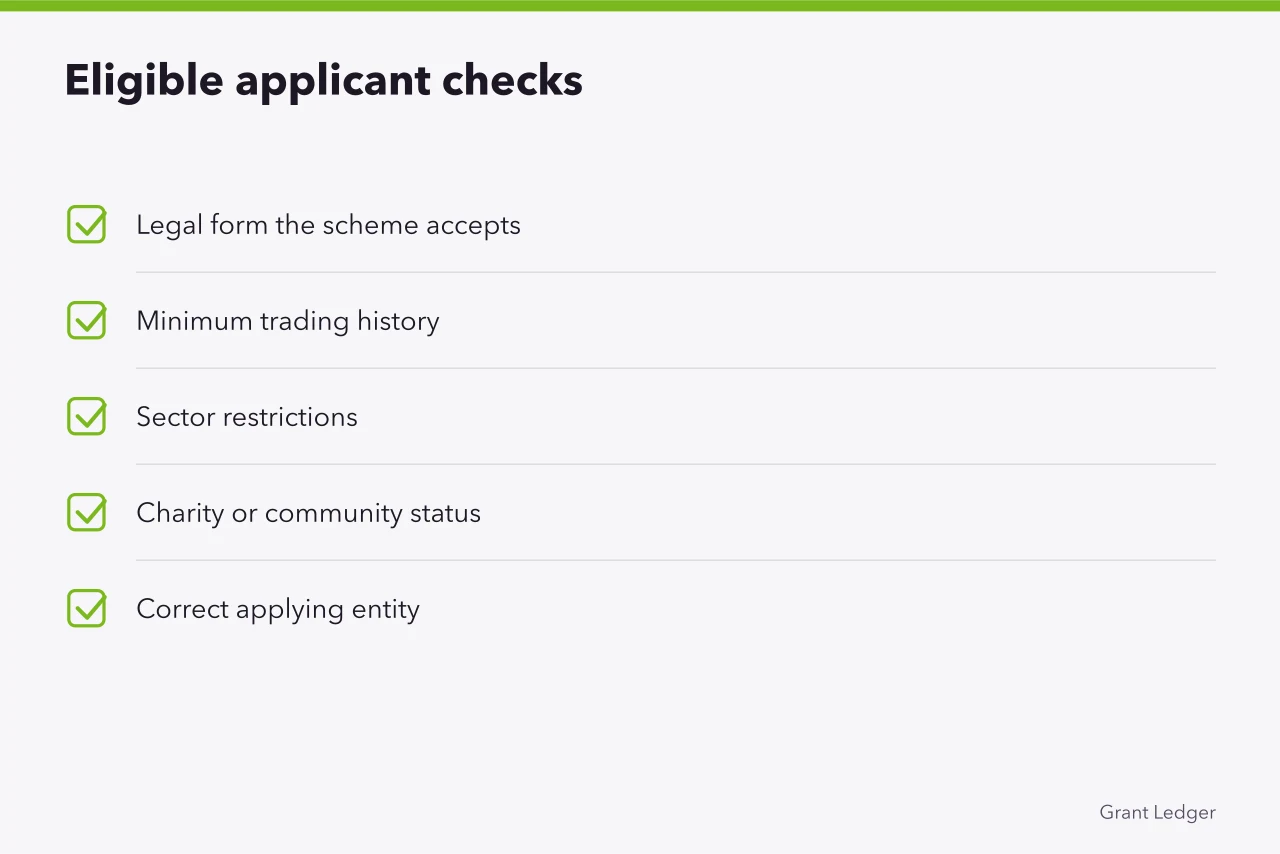
Schemes define the applicant, not the technology. Some funds are open to limited companies, partnerships and sole traders. Others restrict applications to charities, community buildings or businesses in a named sector. Check the legal form and trading history the scheme asks for, because a minimum trading period is common.
Step 2: match your measure to the funded list
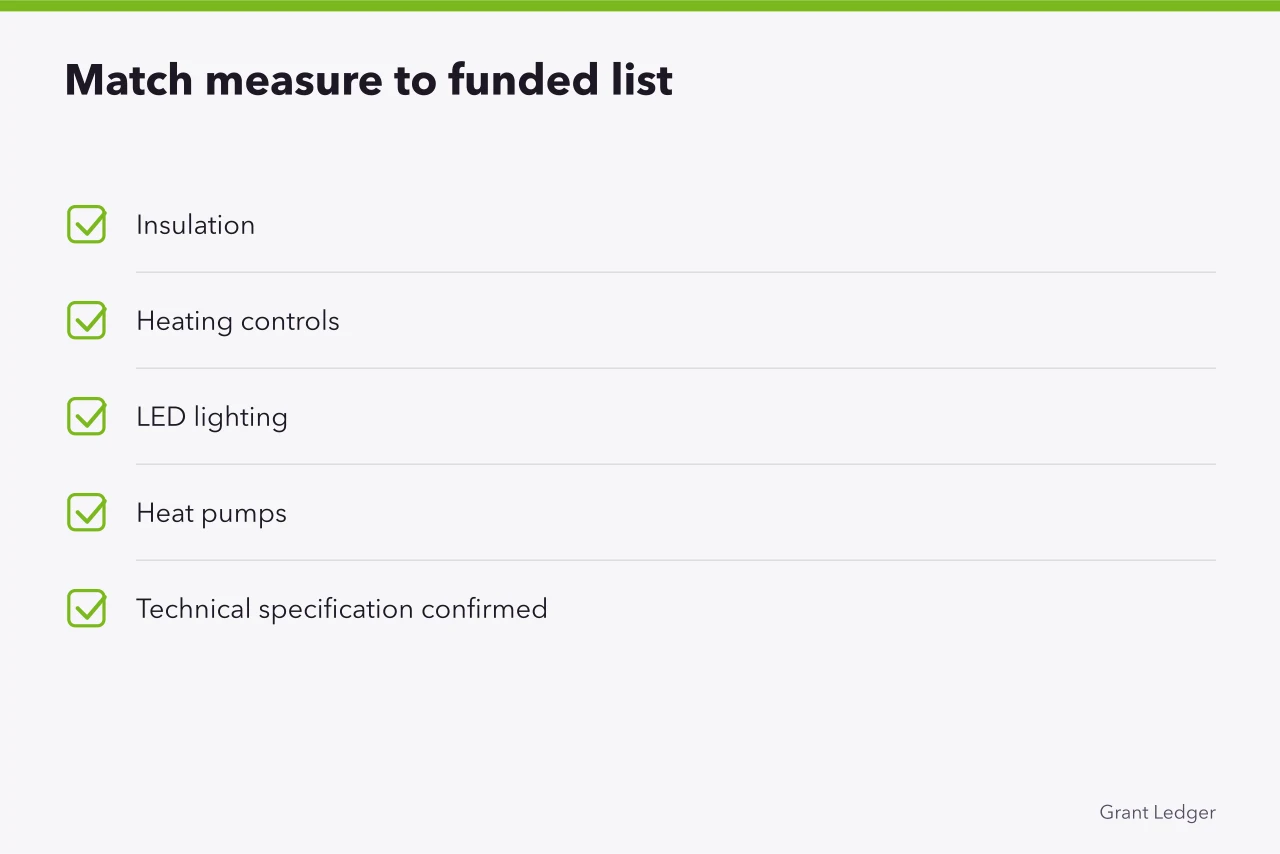
Funds normally name the measures they will pay for, such as insulation, heating controls, LED lighting and heat pumps. The detail counts more than the label. A scheme that funds heating may only fund specific technologies at a defined efficiency standard, so ask for the technical specification before you accept a quote.
Step 3: check the building and who controls it
Tenure decides as much as technology. A landlord must usually consent in writing before work starts on leased premises, and that consent should say who owns the improvement. Freeholders, managing agents and listed building rules can each add a step. Energy efficiency programmes have long attached conditions to the property and installer rather than to the tenant, a pattern that runs through energy efficiency policy in British housing as well.
Step 4: declare any earlier public funding
Most schemes bar a second grant for the same cost. Declare previous grants, reliefs and subsidised loans at application stage, and keep the paperwork showing what each one covered. Subsidy control rules apply to many awards, and an undeclared grant found later is the kind of error that leads to clawback.
Step 5: diarise the claim, not just the application
Approval usually has to come before work begins, and payment follows evidence of completion. Put the dates in your project plan: quote, approval, installation, invoice, inspection. A scheme calendar is often the difference between a claim paid and a claim refused.
Evidence to hold at each stage
| Check | Evidence to hold | Common failure |
|---|---|---|
| Applicant | Accounts, trading history, legal form | Applying through the wrong entity |
| Measure | Technical specification and installer quote | Quote dated before the current rules |
| Building | Tenancy agreement and written landlord consent | Verbal consent only |
| Prior funding | Earlier award letters and a cost schedule | The same cost claimed twice |
| Claim | Invoices, payment proof, installation certificate | Work started before approval |
Match funding and cash timing
Few funds pay the whole cost. Expect to cover part of the work yourself and to wait for reimbursement after completion. Build the grant budget for England around the funding gap, the VAT treatment and the month the cash returns, or the project may stall while you wait.
What an energy grant is not
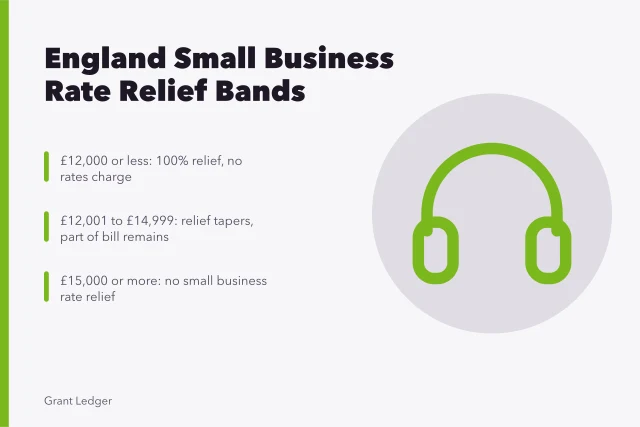
A grant is not the only lever on your bill. Business rates relief works on the same overheads through a different mechanism, and the small business rate relief rules set out who qualifies. Better controls and a switched tariff often cut use at a lower cost than capital work, and neither needs an application.
Common questions
Do I need to own my premises to get a grant?
Not necessarily, but you will usually need the freeholder's written consent. Some schemes fund equipment the business owns rather than the building, which suits tenants.
Can a sole trader apply?
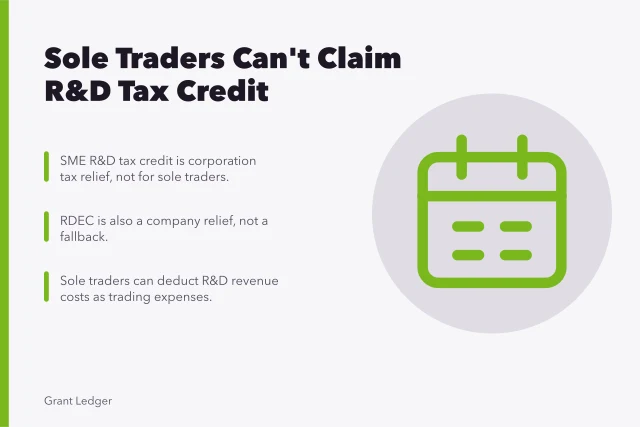
It depends on the scheme. Many local funds accept sole traders with a trading history, while others restrict awards to registered companies or charities. Read the applicant definition before you commit time to a form.
Is the Boiler Upgrade Scheme open to small businesses?
Ofgem, which administers the scheme, describes it as covering homes and small non-domestic buildings in England and Wales. Check the current scheme rules before assuming your premises qualify.
Does a grant cover the whole cost?
Rarely. Most awards meet part of the cost, and some pay in arrears once the work is certified.