Strategy
Part of Start Up Loans vs business grants: which is better for you?
Start Up Loans vs business grants: which is better for you?
Start Up Loans charge fixed interest and affect personal credit. Business grants are non-repayable but conditional. Compare eligibility, cash flow and risk.
What to take away
- Start Up Loans are government-backed personal loans, not grants. You repay them with interest, usually over one to five years.
- Business grants give money without repayment, but they come with eligibility rules, match funding, reporting and possible clawback.
- Start Up Loans can be faster and more predictable than grants, but they affect personal credit.
- Grants suit defined projects with evidence and public benefit. Loans suit trading businesses that need working capital.
- Compare total cost of capital, not headline amount. A grant that pays late can cost more than a loan that pays now.
How Start Up Loans work
Start Up Loans are delivered by the British Business Bank through the Start Up Loans Company. They are unsecured personal loans for individuals starting or growing a UK business. The scheme is not a grant.
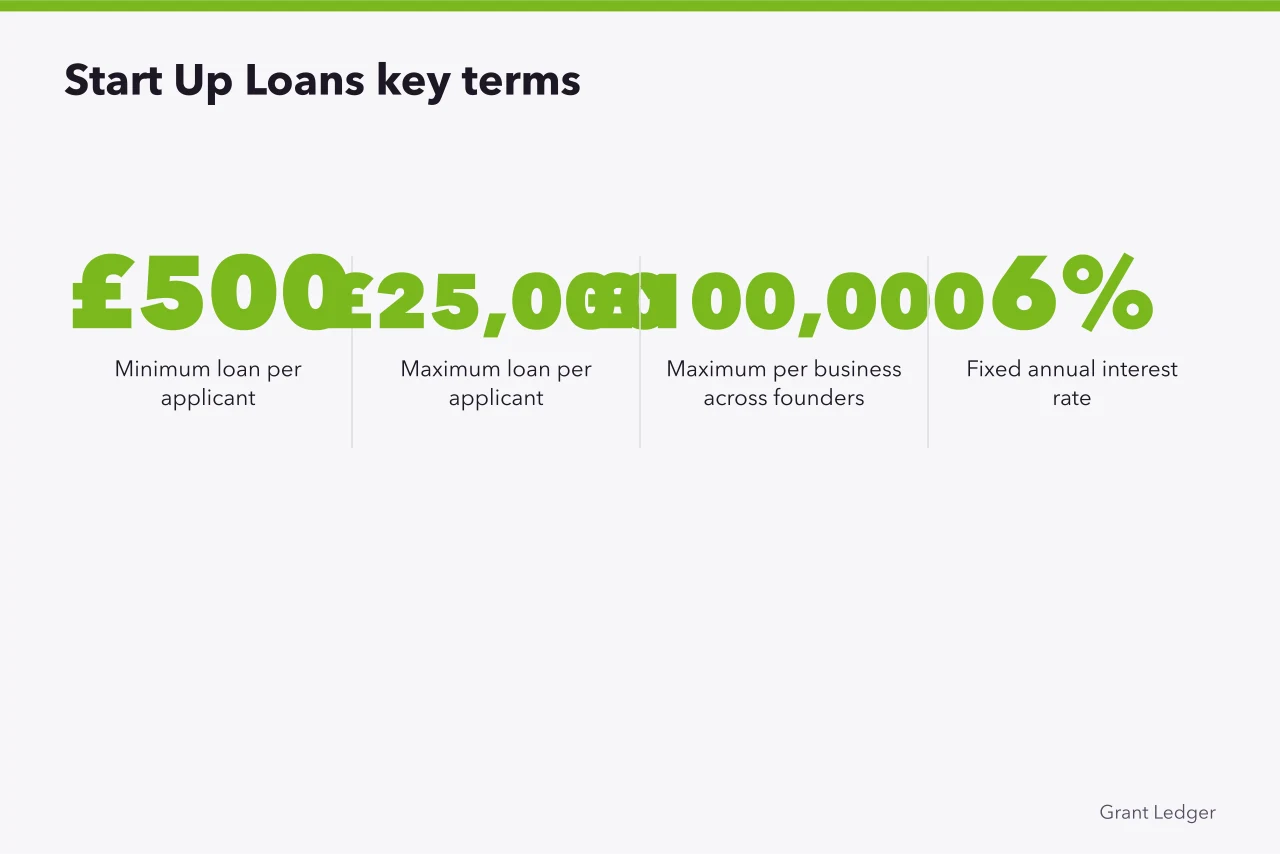
The scheme's 2024 published limits allow each applicant to borrow between £500 and £25,000, and a business to raise up to £100,000 across founders. The same 2024 terms set a fixed 6% annual rate and a term of one to five years.
Eligibility includes age 18 or over, UK residency, and a business idea or trading history under three years. You do not need a detailed grant-style application, but you do need a business plan and credit checks.
Because the loan is personal, missed payments appear on your credit file. That matters if you later seek a mortgage or other finance.
GOV.UK's finance and support finder lists Start Up Loans alongside other government-backed finance options.
How business grants work
Business grants are awards, not loans. You do not repay them if you meet the terms. But most are not general business cash. They fund specific costs, such as equipment, research, training or energy efficiency.
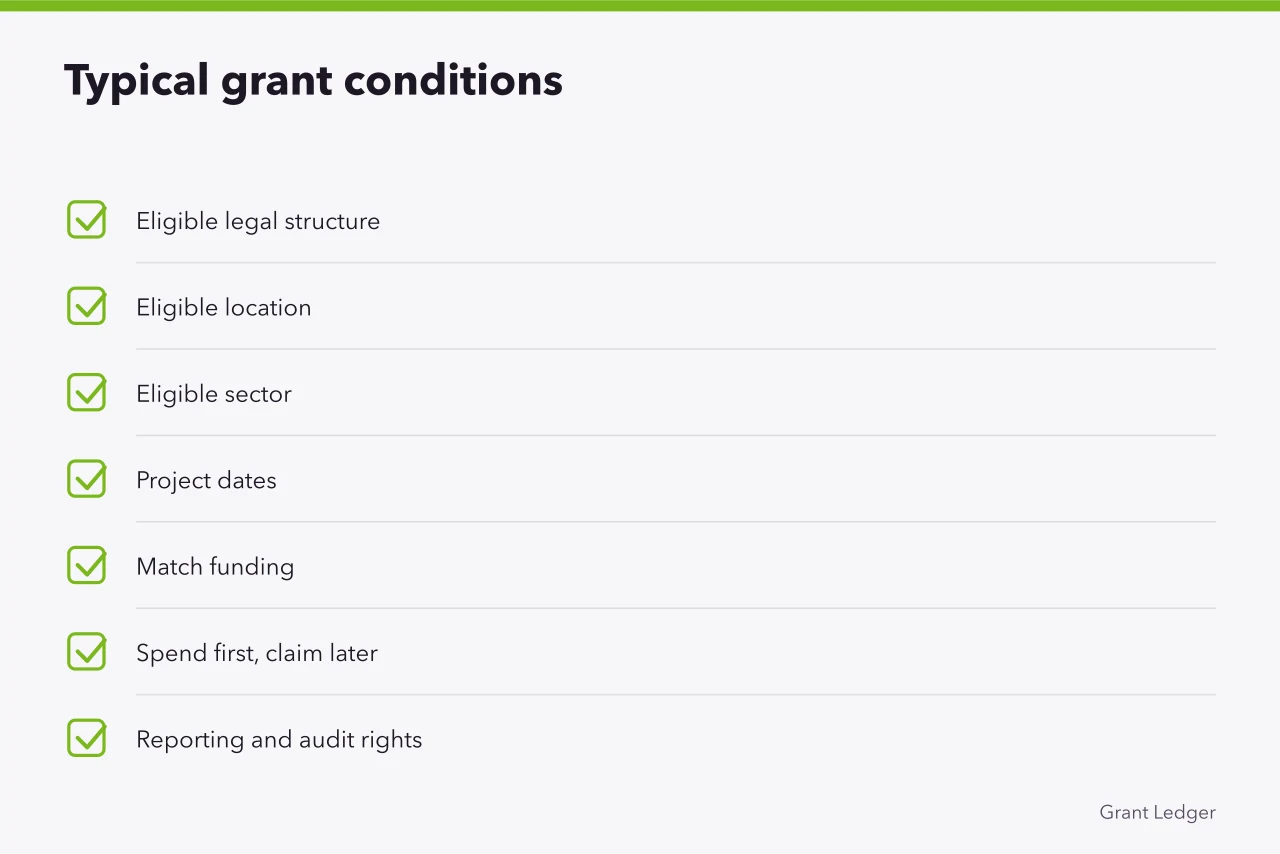
Typical conditions include eligible legal structure, location, sector, project dates and match funding. Some require you to spend first and claim later. Some pay in arrears.
Grant agreements often include reporting, evidence, audit rights and clawback if you break the rules. That is why grant cash can be slower and more uncertain than a loan.
Innovate UK runs competitive grant programmes that typically expect match funding and detailed project reporting.
Separately, R&D tax relief is a tax credit claimed through the tax system, not a grant.
Comparing repayment, eligibility and credit
| Feature | Start Up Loans | Typical business grant |
|---|---|---|
| Repayment | Repayable with interest | Non-repayable if terms are met |
| Interest | Fixed annual rate (Start Up Loans Company, 2024) | None |
| Amount | £500 to £25,000 per founder, up to £100,000 per business (Start Up Loans Company, 2024) | Set by each programme |
| Eligibility | Person and business idea, UK resident, age 18+ | Project, location, sector and match funding |
| Credit impact | Appears on personal credit file | Usually no personal credit entry |
| Reporting | Business plan and repayments | Evidence, claims, audit and clawback risk |
The repayment difference is stark. A grant is non-repayable if you comply. A Start Up Loan is debt with fixed interest.
Eligibility diverges. Start Up Loans test the person and the business idea. Grants test the project, the location and the policy objective.
Credit impact is the most misunderstood. A grant generally does not appear on your personal credit file. A Start Up Loan does, because it is personal borrowing.
Before choosing, map the costs of taking a small business grant through to delivery, because grant administration is not free.
Which route fits your situation
- Define the need. Is it working capital, equipment or a research project?
- Test eligibility. Check location, sector, business age and match funding.
- Compare cash timing. Grants may pay in arrears; loans usually pay upfront.
- Model total cost. Add interest, reporting time and delay.
- Check credit. If personal credit matters, treat a Start Up Loan as personal debt.
If you need money for stock, wages or a van, and you can repay it, a Start Up Loan is often the simpler route.
If you are funding a defined project with evidence and public benefit, a grant may be better because you keep the money.
Use a grant selection checklist to test the adviser, portal or programme before you commit time.
Common questions
Are Start Up Loans interest-free?
No. The scheme charges a fixed annual interest rate, currently published at 6% by the Start Up Loans Company. You repay the loan plus interest over one to five years.
Do business grants affect your credit score?
Usually no, because most grants are not credit. But a grant can affect future applications if you fail to deliver or trigger clawback.
Can you get a Start Up Loan and a grant?
Yes, but the grant rules may restrict subsidy control. You must declare other public funding. The loan is separate debt.
Which is better for a new business in England?
It depends on the project. If you need flexible cash and can repay, a Start Up Loan is faster. If your project matches a grant programme, grant funding is cheaper but slower.